
Czech and Slovak Pavilion
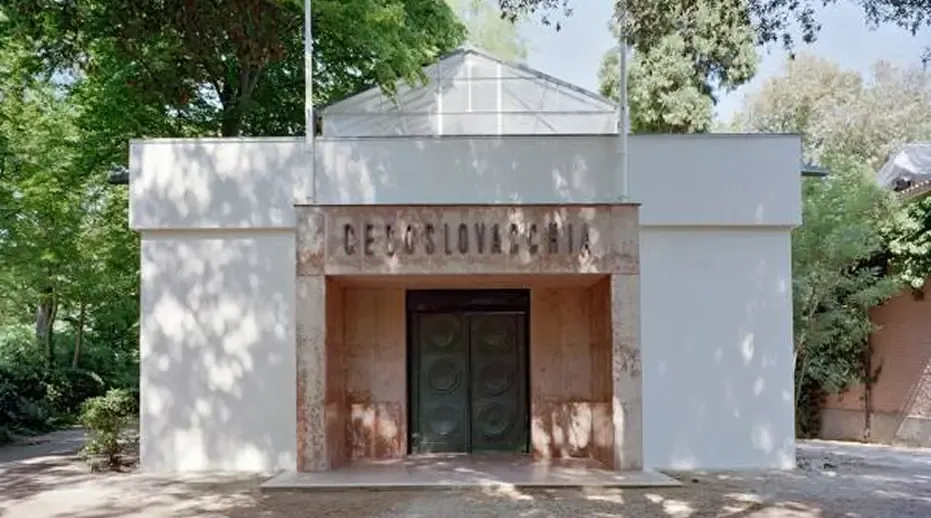
About the Czech and Slovak Pavilion in Venice
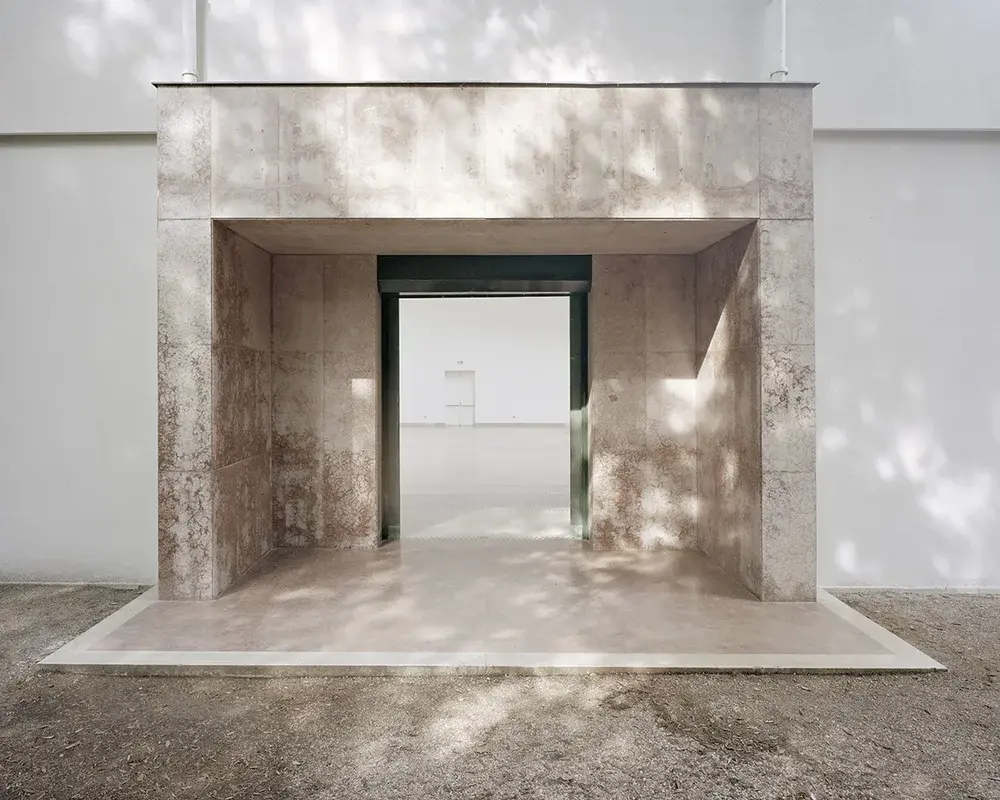
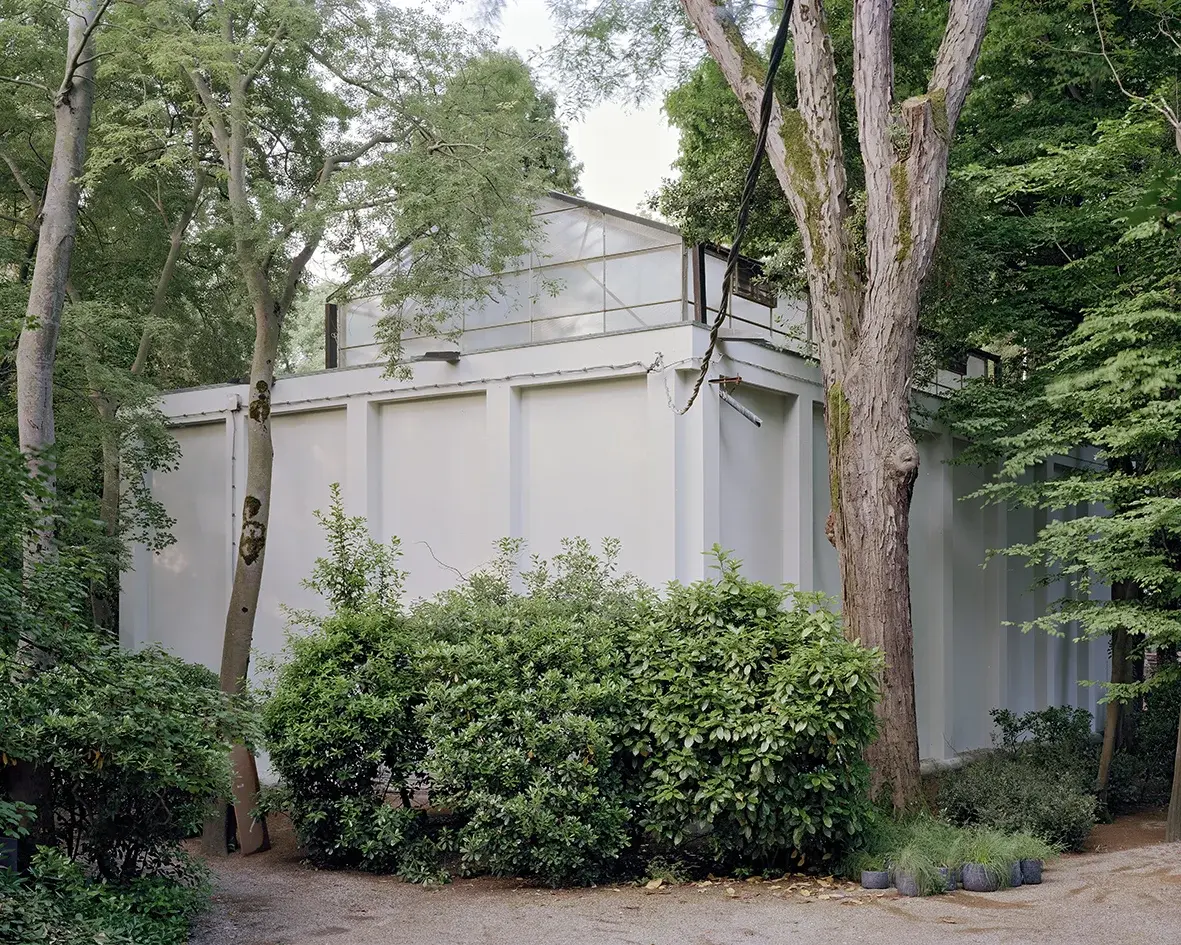
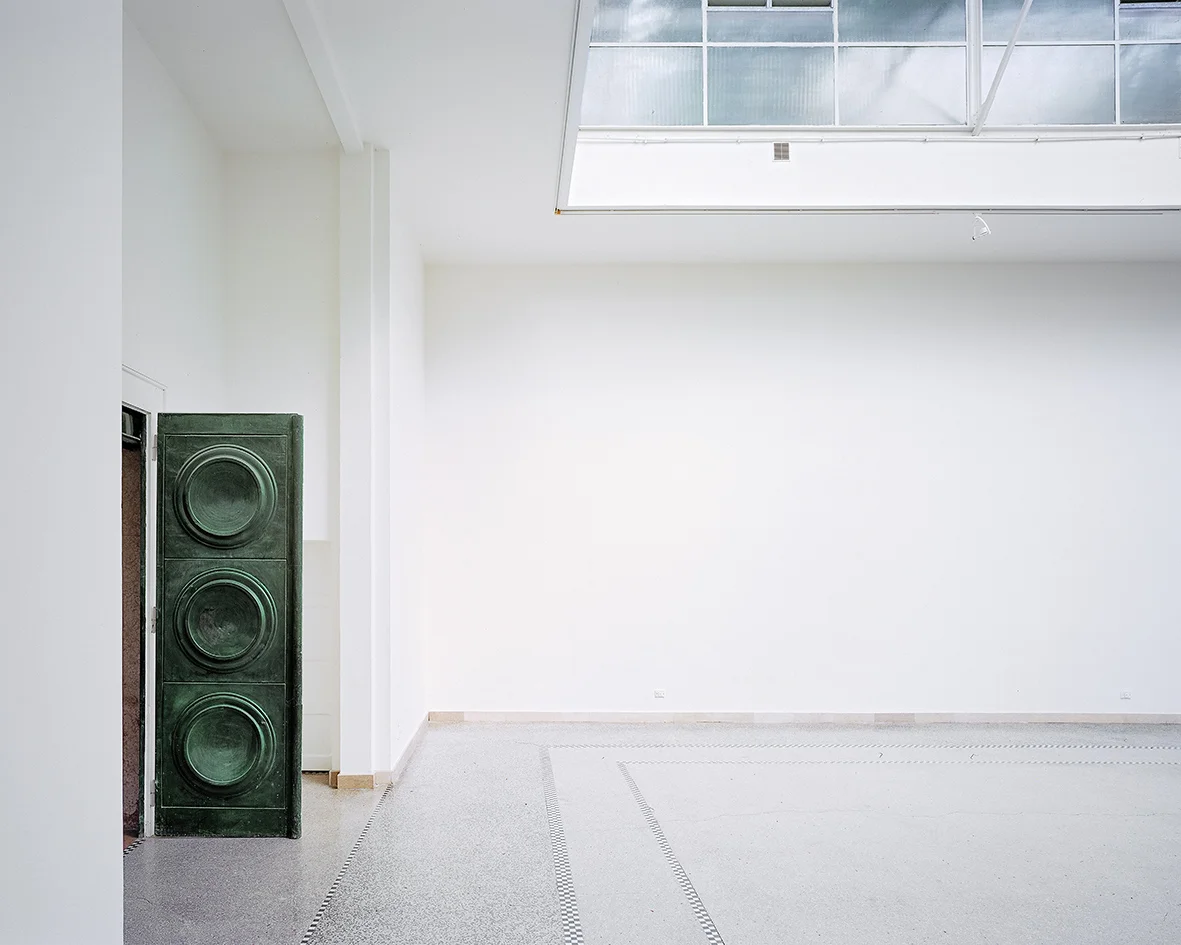
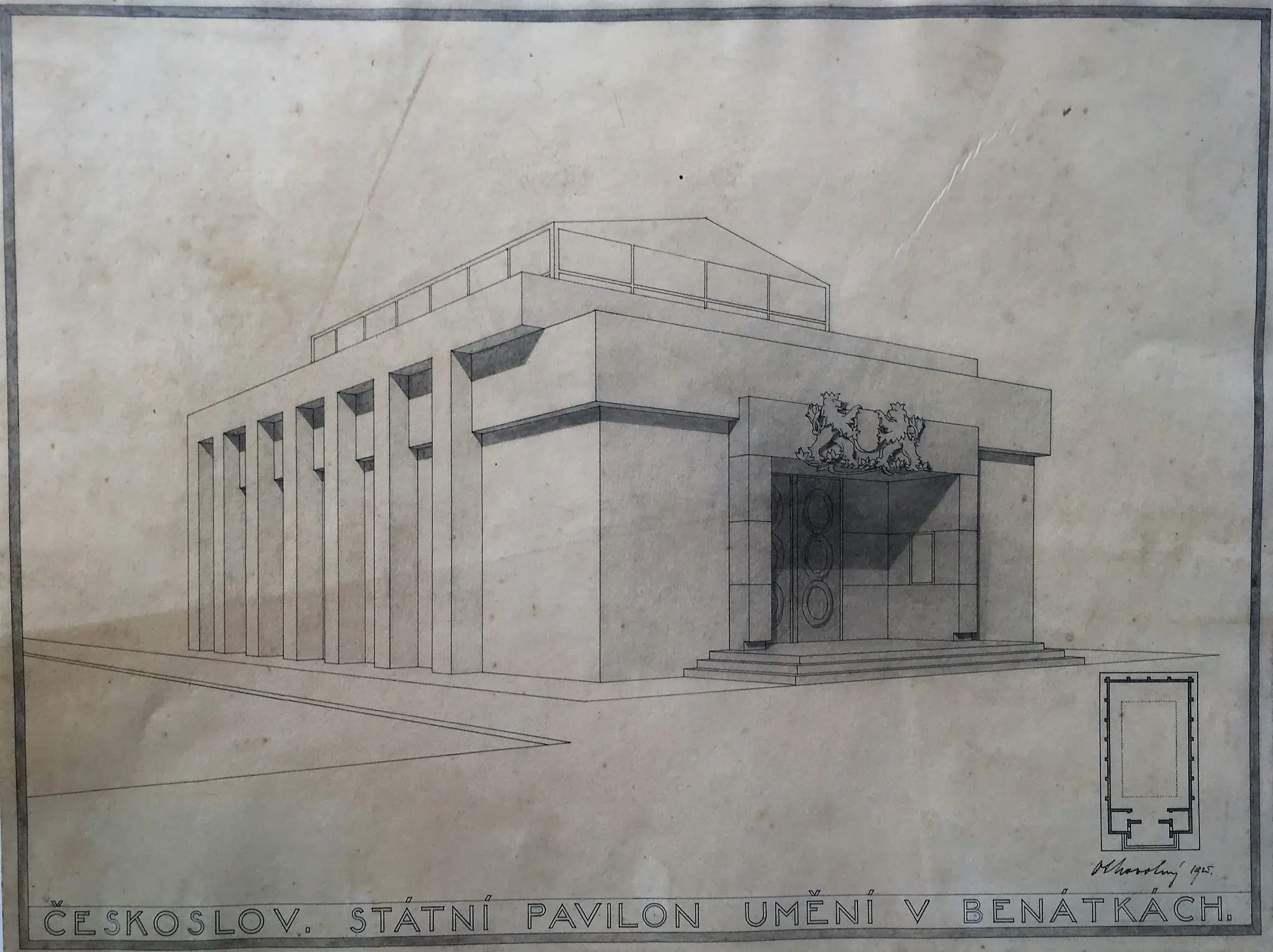
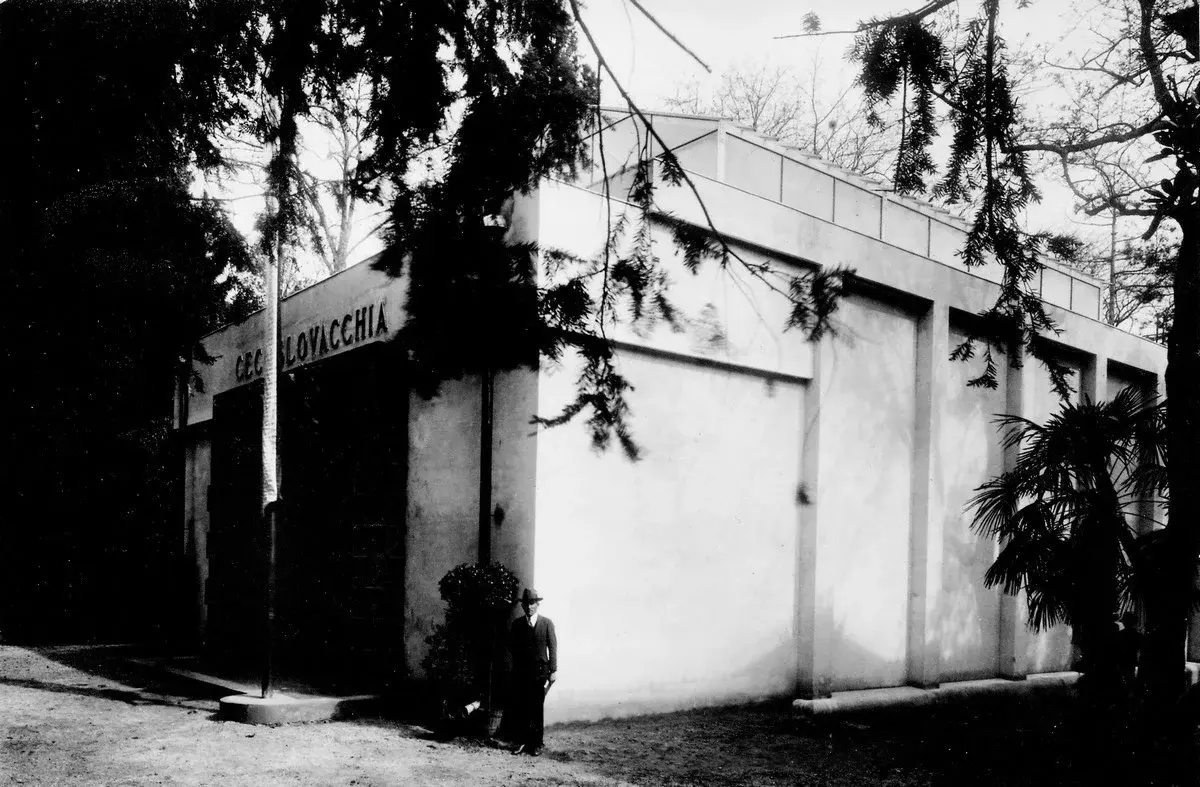
The Czech and Slovak Pavilion in Venice is one of the late works of architect Otakar Novotný. It was completed and ceremonially opened for the first participation of the Czechoslovak state in 1926. The exhibition pavilion is located on one of the two main avenues of the Giardini park, neighboring the pavilions of France, Germany, and Great Britain. It is a highly functional building of simple forms, in which some may discern a resemblance to an ancient temple. The clean lines of the interior and the unified space of the exhibition hall beneath a roof skylight, which generously illuminates everything below with daylight, provide a very authentic and functional setting for the exhibited works of art. The pavilion’s architect, Otakar Novotný, who was at one time a student and collaborator of the architect Jan Kotěra, is, together with his teacher, associated with the concept of modern architecture.
1—1 / 3
Pavilion Interior
History
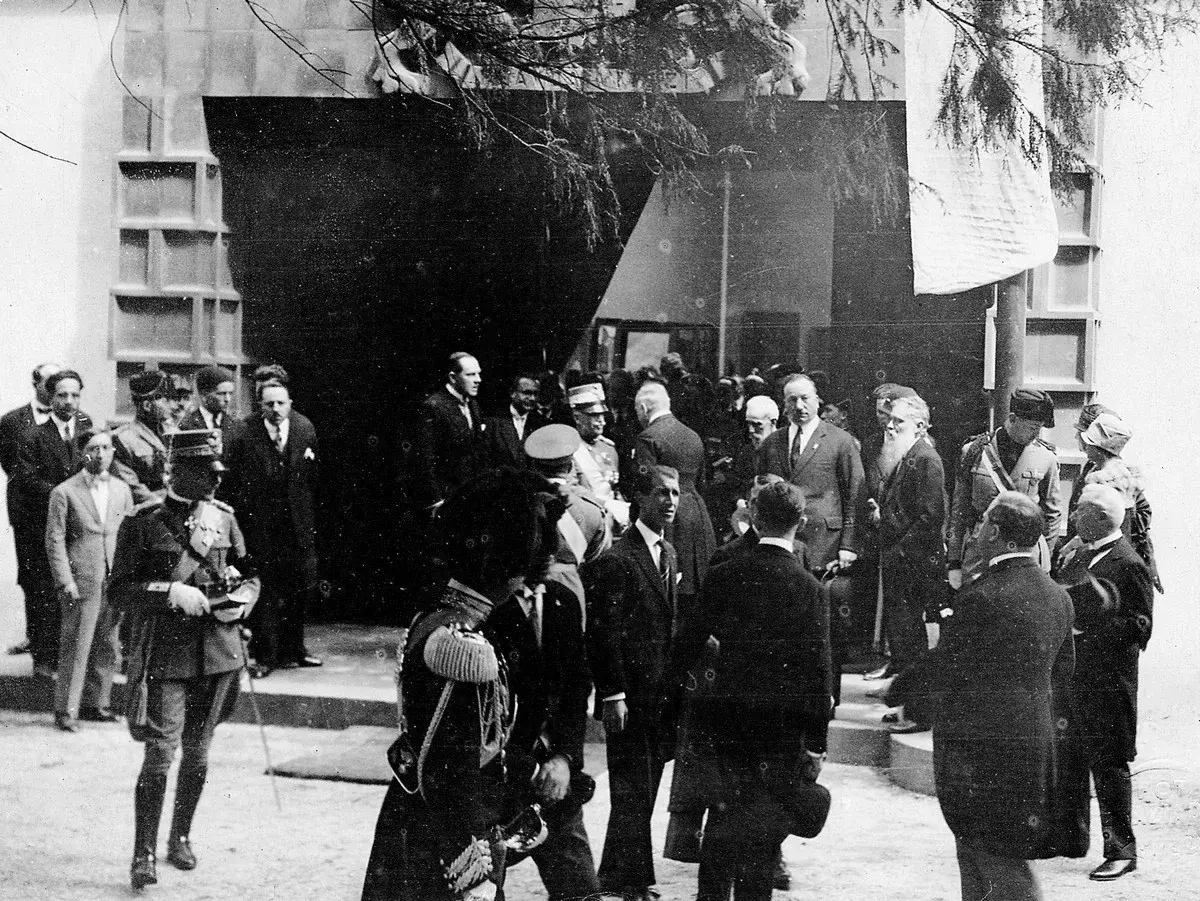
Although the first Venice Biennale dates back to 1895, Czechoslovakia historically took part in this art exhibition for the first time only in 1920, immediately after the establishment of the new independent state. At that time, Czechoslovakia did not yet have its own pavilion, but exhibited in the Central Pavilion in Venice alongside other invited countries. The year 1926 was highly significant for Czechoslovakia, marking its first exhibition in the newly completed pavilion designed by architect Otakar Novotný. Built on a prime site in the Giardini park, right next to the pavilions of France and Great Britain, the pavilion secured an important position among the pavilions of major European powers for the future. The first commissioner general responsible for the organization was Vilém Štech, a Czech art historian and professor at the Academy of Fine Arts in Prague, who served in this role until 1938.
From 1940 onward, the exhibitions in the Czechoslovak Pavilion reflected the historical developments in Europe, representing predominantly a period marked by totalitarian regimes. At that time, Czechoslovakia presented its art largely in accordance with the political situation in the country. Representatives of the ruling power exercised full control over the selection of exhibiting artists, with the result that the works on display reflected the defining developments in world art only marginally.
A new era for the exhibition pavilion in Venice can only be said to have begun after 1989. In 1993, Czechoslovakia was dissolved, and the pavilion thereafter came to be shared by the two successor states. Another important milestone for the Biennale was 1991, when the first Architecture Biennale took place, in which the Czech and Slovak Federative Republic also participated. In recent years, following the division of the pavilion and a number of joint projects with the Slovak Republic, the model of alternating use of the pavilion in Venice has been given preference. Participation in the Venice Biennale has accompanied us through virtually the entire modern history of the republic, telling a story of how neither the country’s historical development nor the presentation of our art and culture has always had an easy path. Yet not only the future of the Venice Biennale and our participation in it, but also the development of the cultural outlook of our state and global progress, brings new challenges in how to move forward through sharing, inspiration, and dialogue with the whole world, and how to make this path less thorny for ourselves and for future generations.
100th Anniversary of Its Establishment
The forthcoming anniversary exhibition will be accompanied by additional outputs being prepared by the National Gallery Prague. In co-production with Czech Television, a unique documentary is being made, devoted not only to the Czech and Slovak Pavilion and the history of presentation at the Biennale, but also offering a time-lapse insight into the preparation and realization of exhibitions at the Biennale. The documentary will be broadcast in the autumn of this year. Around the same time, the first comprehensive publication dedicated to the Czech and Slovak Pavilion in Venice will be published. Edited by Helena Huber Doudová, curator at the National Gallery Prague, the publication will map the perspectives of various authors not only on the history of the Biennale and the participation of the Czech Republic and Slovakia, but also on the cooperation between the two countries and their contemporary view of the Biennale.
1—1 / 3
Pavilion History